

How to Manage Stress in Architecture School: An Architect’s Advice
Just so you know, some of the links below are affiliate links. If you decide to buy through them, it won't cost you anything extra, but it helps me keep OpenBook free. As an Amazon Associate, I earn from qualifying purchases. For all the details, check out my affiliate disclosure.
Architecture school is stressful. Long nights in the studio, deadlines that pile up, and then the jury: you stand in front of your work while a group of professors and guest architects pick it apart. Everyone feels it at some point.
I will be honest with you: I am not someone who stresses easily. But I did feel it before my juries at school, and later, as a young architect at SOM, before presenting to clients. Here is what worked for me, and what I tell every student I mentor.
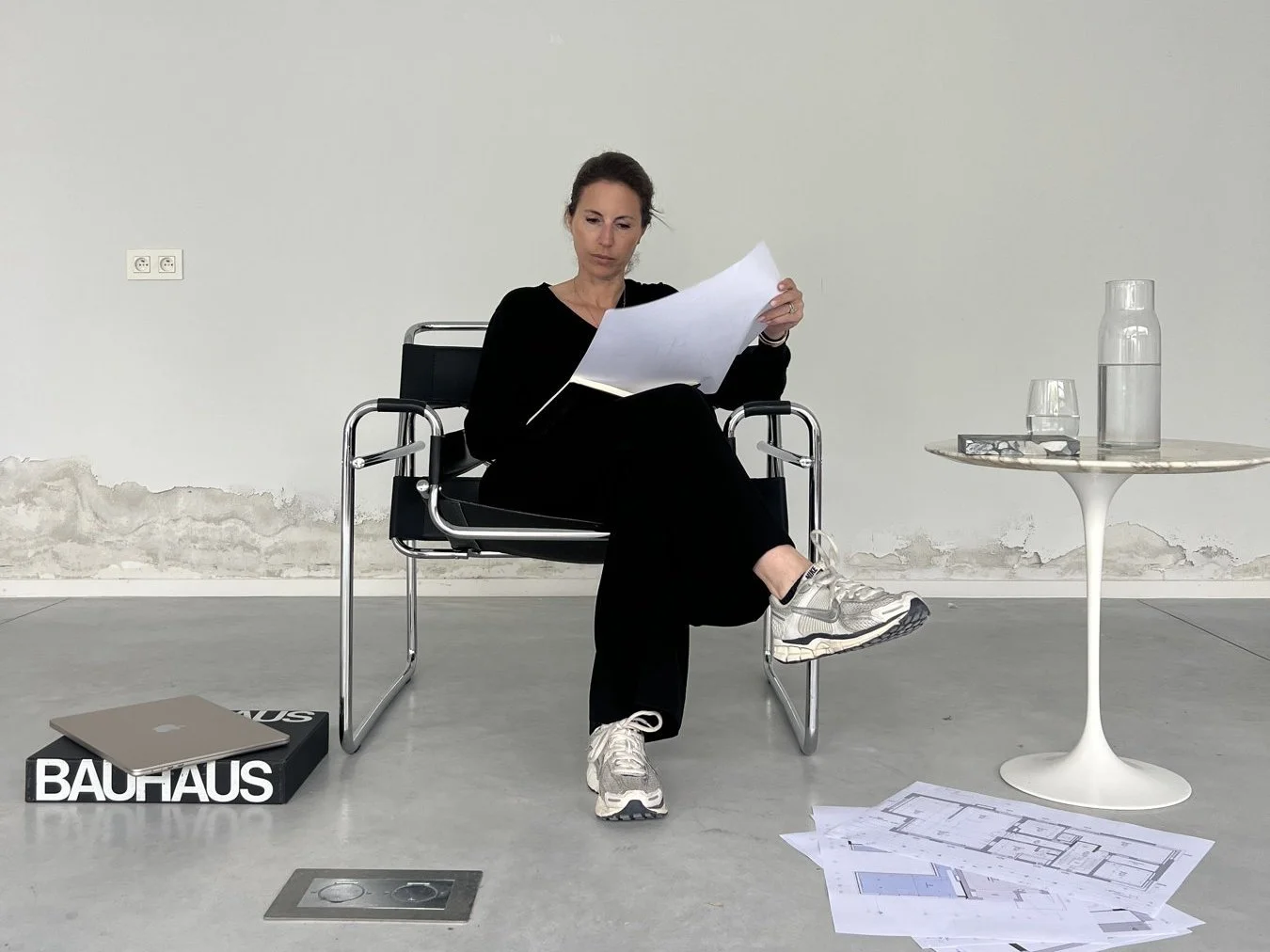
1. Know why you made every decision
This is the most important tip in this article. Most stress before a jury comes from one fear: being asked a question you cannot answer.
The students who struggle most are the ones who copied a reference without understanding it, or made design choices without a reason. Then a professor asks "Why is the entrance here?" and they have nothing to say. That is the worst place to be.
So go through your project and ask yourself "why?" for every decision: the site strategy, the shape, the materials, the plan, even the position of the stairs. If you can explain your project, you are on the right track, and you will feel it. When I was presenting to clients at SOM, this is what I told myself:
I know this project better than anyone in this room. As long as I can explain it, I am fine.

2. Rehearse with a fake jury
Ask two or three friends to play the jury. Present your project to them exactly as you would on the day, and ask them to be tough: to question everything and to ask the horrible questions juries sometimes ask. Then swap roles and do the same for them.
This peer review is the best preparation I know. You will hear the difficult questions before the real day, you will find the weak spots in your project while you can still fix them, and you will get used to speaking out loud about your work.
3. Try the mirror trick
This one may sound funny, but it worked for me every time. Before a jury, I looked at myself in the mirror, straight in the eyes, and repeated that I was the best. Try it. It takes one minute, and you walk into the room with a completely different energy.
4. Remember that juries ask stupid questions too
The jury is not there to destroy you. Most professors want to see you succeed, and their comments are meant to push your project further. Listen, stay calm, and do not take criticism personally: they are talking about your project, not about you.
And if a question sounds strange, that is normal. I can tell you that juries sometimes ask stupid questions. So do clients, by the way, hahaha. Take a breath, answer what you can, and if you do not know, say that you will think about it. That is a perfectly professional answer.

5. Plan your work in short blocks
A lot of stress comes from feeling that there is too much to do and not enough time. The solution is to cut the work into small pieces.
Plan backwards from the deadline. Write down everything you need to produce (plans, sections, model, renders, boards) and give each item a date.
Start with what matters most. A clear concept and strong drawings count more than one more render.
Finish one task before starting the next. Jumping between ten things at once is exhausting and you finish none of them.
Work in focused blocks. The Pomodoro method is simple: 25 minutes of work, 5 minutes of break, and a longer break every four rounds. A flip timer on your desk makes it easy: you turn it to 25, and you leave your phone in your bag.
6. Protect your sleep
All-nighters feel heroic, but they make everything harder. When you are tired, you are less creative, you make more mistakes, and small problems feel huge. Your brain also keeps working on your project while you sleep, and you often wake up with the solution you were looking for.
Try to keep regular hours, stop the coffee in the evening, and keep screens away from your bed. If you really have to work late before a deadline, plan one late night, not a whole week of them.
7. Cut the noise around you
Studios are noisy, and it is hard to concentrate with music, conversations and printers all around you. A pair of noise-cancelling headphones changes everything. The Soundcore Q20i costs around $40 and does the job very well for a student budget. If you can spend a bit more, the Soundcore Space One is more comfortable for long days.
8. Move, eat and take real breaks
Get out of the studio for a walk, eat real meals, and see friends who are not in architecture from time to time. It is not lost time. You come back with fresh eyes, and you see things in your project you could not see before.
Getting your portfolio ready too? Get my free architecture portfolio template for Canva. It will save you hours when the deadlines pile up.
When stress becomes too much
A bit of stress before a jury is normal and can even help you. But if you feel overwhelmed for weeks, cannot sleep, or lose the pleasure of designing, talk to someone: a friend, a professor you trust, or the student support service at your university. Most schools have one, and it is there for exactly this.
Your turn
How do you deal with stress before a jury? Do you have a trick of your own? Tell me in the comments below or in the OpenBook community on Facebook. Your tip might be exactly what another student needs to hear before their next jury.
Frequently asked questions
How do I stop being nervous before an architecture jury?
Prepare answers for every "why" in your project, rehearse with friends playing the jury, and remember that the jury wants you to succeed. Being able to explain your design is the best cure for nerves.
Is it normal to be stressed in architecture school?
Yes. Architecture school has long hours and public critiques, so almost every student feels stress at some point. If it lasts for weeks or affects your sleep and health, talk to someone at your school's student support service.
How can I manage my time better in architecture school?
Plan backwards from each deadline, start with the most important work, finish one task before the next, and work in focused blocks such as the Pomodoro method (25 minutes of work, 5 minutes of break).
About the author

Julie Palma Engels has been an architect since 2005. She worked for SOM in Brussels, London and Chicago, then opened her own office, Studio P Architects, in New York. Through OpenBook, she shares what architecture school doesn’t teach you.